What Second Life Lost When It Moved from Prim Creation Toward Mesh-Based Uploads
AM Radio: "Prims have a certain quality to them, similar to brush strokes, shaping them just right can result in magic... mesh gives far more freedom, but at some cost to the creative process.”

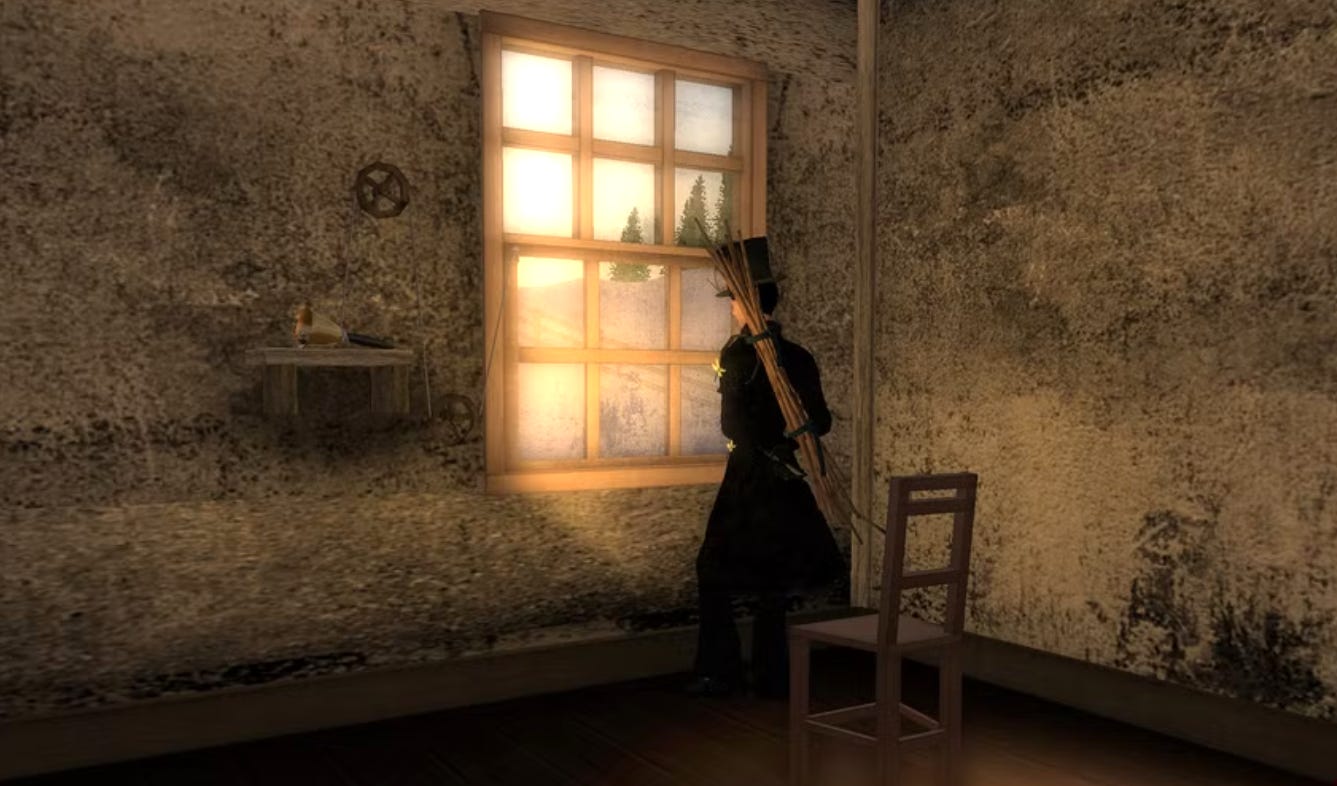
When I published excerpts of my 2014 Polygon profile of acclaimed SL artist AM Radio / Jeff Berg last week, I was thinking about something prophetic he told me about the act of 3D creativity back then. Mesh file uploads had recently been introduced into Second Life. And while mesh did technically modernize the platform’s graphic capabilities, AM Radio was concerned something would be lost in the process:
“Every prim there was positioned manually, entered in using the number keys,” as AM told me. “Placement via the mouse was rare. It was exacting. I never felt anything was out of place. Yet prims have a certain quality to them, similar to brush strokes, shaping them just right can result in magic, the hand of the creator still evident on inspection. it’s really a beautiful medium.”
He compared the coming of mesh to another medium:
“The introduction of mesh in Second Life, for me, has many parallels to the recording industry, which went from tape to digital. Dave Grohl’s documentary about Sound City is an excellent metaphor as it moves from tape to digital recording. That is to say, mesh gives far more freedom, but at some cost to the creative process.”
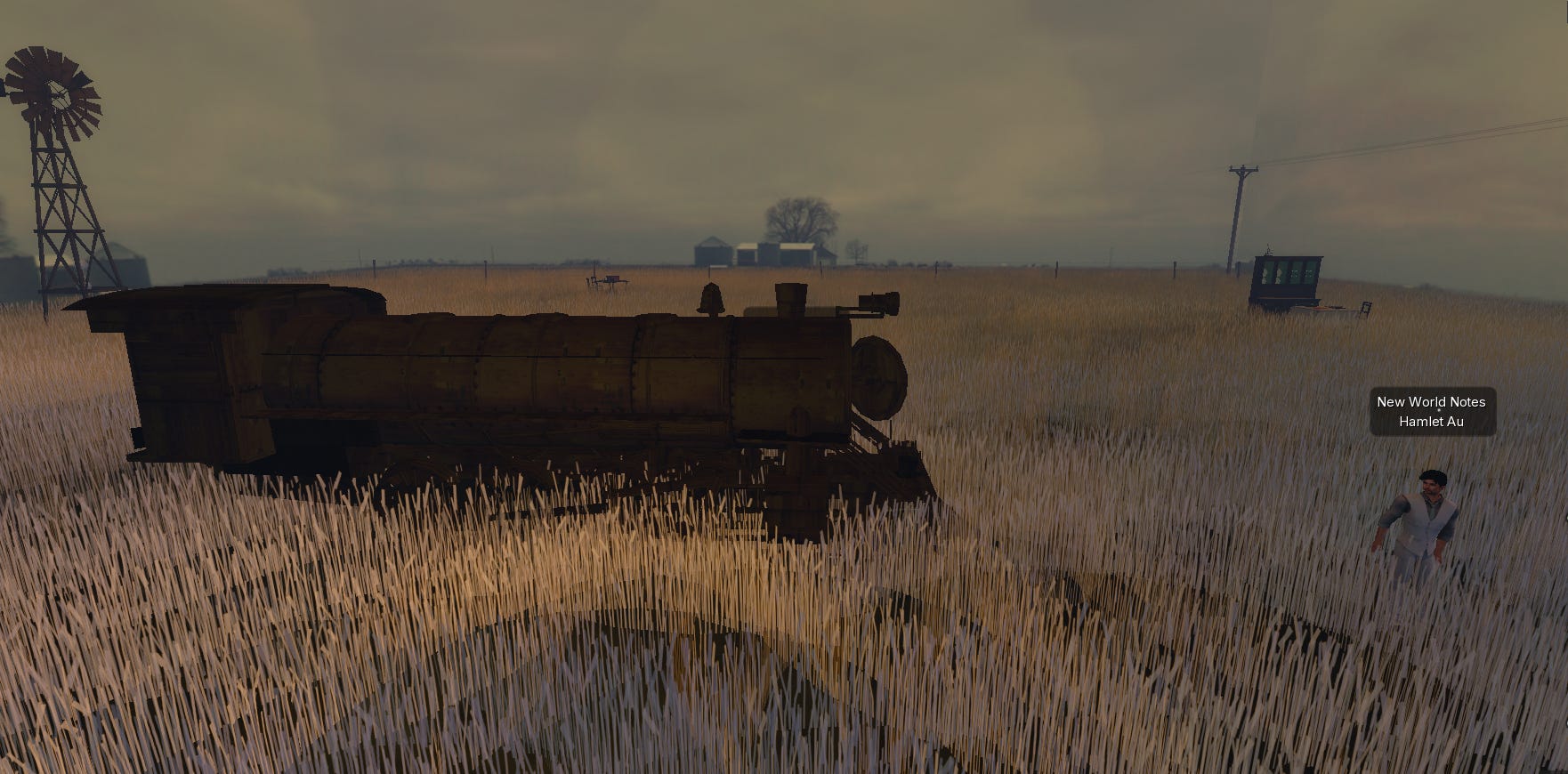
AM Radio’s most famous SL build, The Far Away, a dreamlike wheat field, was created despite people warning him: “You can’t make a wheat field, you’ll crash the sim.” Instead, he figured out a way to create one without crashing. (Click here to teleport to the Far Away.)
“Often, the most inspiring creativity comes from overcoming what others define as limitations,” he observed back then. “Show me one piece in the MoMA that does not contain some energy of it’s very own pioneering.”
AM told me this in 2014.
By 2023, when I wrote Making a Metaverse That Matters, it was clear how much mesh had changed Second Life’s culture:
At launch, Second Life avatars were human by default but not realistic. The internal prim creation tools encouraged the construction of avatar attachments (robot helmets, furry tails, etc.), which led to a wide variety of avatar types and environments to explore.
The arrival of mesh in Second Life in 2010 -- high resolution 3D files created in offline software and then uploaded into the virtual world -- greatly changed this dynamic.
Nick Yee has already spoken about the community moderation issues that realistic human avatars engender: Preference them in your virtual world, and all the hidden and not so hidden prejudices of our offline world come along with them.
Thanks to mesh and other graphics enhancements, Second Life avatars and environments now look as detailed and as vivid as those from top AAA games. (For those lucky enough to own a powerful PC.) However, this rise in visual quality has contributed little to actual user growth.
But by enabling ultra-realistic avatars, especially through mesh-based body attachments, mesh quickly altered the world’s culture. The Second Life web-based Marketplace accelerated this trend, since content creators now had incentive to create mesh avatar enhancements compatible with the most popular mesh bodies.
Within years, the virtual world’s economy came to be dominated by ultra-realistic avatars; the overall creative culture changed, accompanied by the rise of environments most suited to them -- glamorous beachside homes and nightclubs, beautiful locales that resembled real life tourist destinations and locations for the latest reality TV show.
As Second Life’s economy snowballed around quality mesh items, so did its culture. While avatar fashion and virtual housekeeping were always a crucial part of the virtual world, the creative tools also attracted a cohort of creators and tinkerers more interested in using the platform as a multi-user game development space and all purpose sandbox space.
By and large, however, tinkerers of this type faded in prominence within the larger community, overwhelmed as it was by new fashion releases and shopping extravaganzas. (They still exist, but are less prominent in the community.)
As I told a Linden recently, “I think many newer SLers don’t even know prims still exist in the world.”
That’s not necessarily a bad thing, I should quickly add, but I do hope there’s a way to bring back the creative energy of collaborative prim-based building.
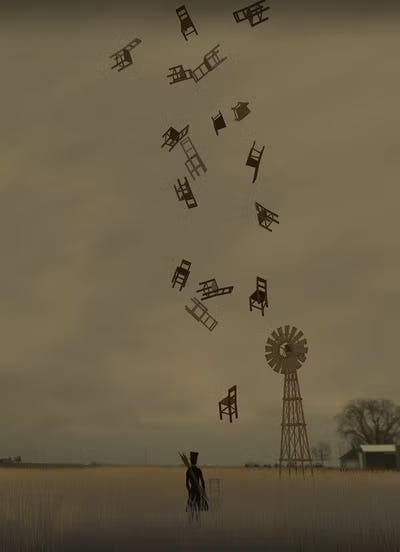
That’s a post for another time; for now, let us mourn what we lost when we abandoned the centrality of the humble prim.
Join my Patreon to read posts like this first.